


07 Oct Making Tax Digital: What Landlords and Sole Traders Need to Know Before April 2026
From 6 April 2026, HMRC’s Making Tax Digital (MTD) initiative will officially extend to landlords and sole traders, transforming the way millions of people record and report their income.
If you currently file a Self Assessment once a year, the rules are about to change. This guide explains what MTD is, who it applies to, how the new system works, and what you can do now to stay compliant — with practical steps from UCS Accountants, your digital-tax specialists.
What Is Making Tax Digital?
Making Tax Digital is HMRC’s long-term plan to modernise the UK tax system by replacing manual submissions with secure, digital reporting. The goal is simple: reduce errors, make record-keeping easier, and give taxpayers a clearer view of their finances in real time.
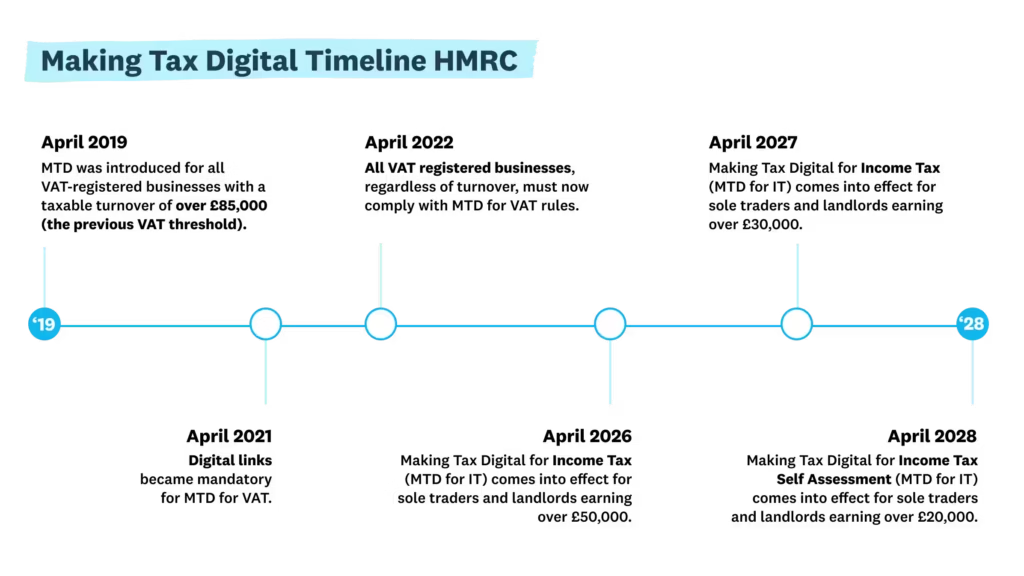
MTD started with VAT-registered businesses in 2019, expanded in 2022 to smaller VAT entities, and will soon apply to Income Tax Self Assessment (ITSA). Corporation Tax will follow later in the decade.
In short:
You’ll maintain digital records through HMRC-approved software.
You’ll send income and expense updates every quarter.
The annual Self Assessment will be replaced by a Final Declaration confirming your total income for the year.
Who Must Comply from April 2026?
MTD for Sole Traders
If your annual business income exceeds £50,000, you must follow the new MTD rules from 6 April 2026.
Those earning between £30,000 – £50,000 will join a year later, from April 2027.
MTD for Landlords
If you receive more than £50,000 in gross rental income, you’ll also need to report digitally.
That total includes income from all UK properties, even if you own them jointly or operate furnished holiday lets.
| Type | Income Threshold | First Reporting Period |
|---|---|---|
| Sole Trader | £50,000 + | 6 April 2026 |
| Landlord | £50,000 + | 6 April 2026 |
| Both (Combined) | £50,000 + total | 6 April 2026 |
If you’re both a sole trader and a landlord, HMRC will assess your combined gross income to determine whether MTD applies.
What Does MTD Compliance Actually Mean?
1 Digital Record-Keeping
You’ll need to keep income and expense data in MTD-compatible software such as Xero, QuickBooks Online, or FreeAgent.
Manual spreadsheets will no longer qualify unless connected to HMRC via bridging software.
2 Quarterly Updates
Instead of one yearly return, you’ll submit digital updates every three months showing your income and expenditure.
Each update gives HMRC a near-real-time picture of your finances and helps prevent errors or missed income.
3 End-of-Period Statement (EOPS) and Final Declaration
At the end of the tax year, you’ll finalise your accounts and submit a Final Declaration confirming your complete income and allowable expenses — replacing the traditional Self Assessment return.
How to Prepare for Making Tax Digital
Switching to MTD doesn’t have to be stressful. Start early and follow these steps:
Check your income threshold
Review your total self-employed and rental income. If it exceeds £50,000, you’ll need to register for MTD by April 2026.Choose compatible software
HMRC publishes a list of approved tools — leading options include Xero, QuickBooks Online, and FreeAgent. UCS Accountants can help you select and set these up correctly.Digitise your records
Use apps such as Dext or Hubdoc to capture receipts and invoices automatically.Set up quarterly reporting
Your accountant can manage or review each submission to ensure accuracy and timely filing.Get training and support
Ensure you and your staff understand how to use the software and track deadlines.
| Step | Action | Recommended Tool |
|---|---|---|
| 1 | Income threshold check | HMRC Portal |
| 2 | Choose software | Xero / Hammock /Quickbooks |
| 3 | Digitise receipts | Dext / Hubdoc |
| 4 | Quarterly submissions | UCS Accountants |
Starting now allows time for testing and adjusting your systems well before the April 2026 deadline.
Common Questions About Making Tax Digital
Do I still need to file a Self Assessment return?
Yes. you will be required to complete 4 quarterly statements as well as a final declaration which is the self assessment return.
What if I have both rental and business income?
If your combined income exceeds £50,000, MTD applies, and both income streams must be reported digitally.
Can I use spreadsheets for MTD?
Only if you use bridging software that links directly to HMRC. Otherwise, you must switch to a fully compliant platform.
Will MTD increase my tax bill?
No — MTD doesn’t change how much tax you owe; it only changes how you record and submit information.
What happens if I don’t comply?
HMRC will implement penalties for late submissions or non-compliance once the system goes live, so early preparation is crucial.
Start Preparing for MTD Today
Making Tax Digital is no longer on the horizon — it’s here.
From 6 April 2026, all landlords and sole traders earning above £50,000 must file digitally. Adopting compliant software now means fewer surprises later, smoother reporting, and complete peace of mind.
At UCS Accountants, we help clients:
Set up HMRC-recognised MTD software
Automate quarterly submissions
Review records for accuracy and compliance
Ready to go digital?
Contact UCS Accountants today for tailored advice and hands-on MTD setup support — ensuring you stay compliant, efficient, and stress-free when the new rules arrive.